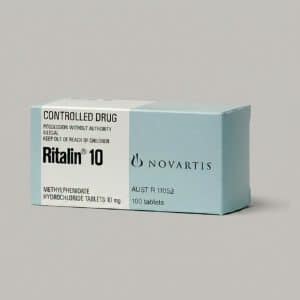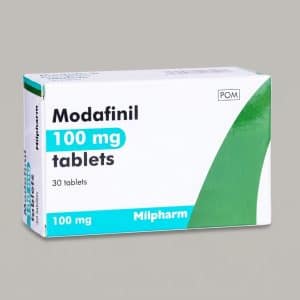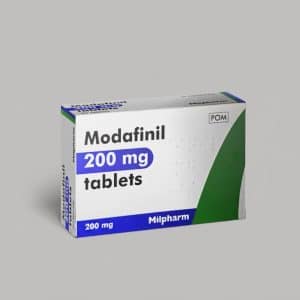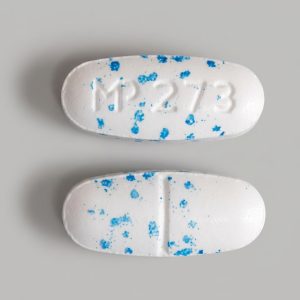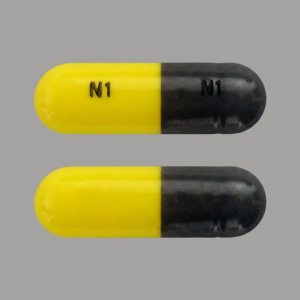
Buy Citra Tramadol 100mg Online
★★★★★
Price range: $199 through $649
Free Shipping on orders over $500!
A comprehensive guide to the Coronavirus Disease 2019, covering its symptoms, treatment protocols, and ongoing prevention strategies.
COVID-19 (Coronavirus Disease 2019) is a highly contagious respiratory illness caused by the severe acute respiratory syndrome coronavirus 2 (SARS-CoV-2). First identified in late 2019, the virus rapidly spread globally, resulting in a pandemic.
The virus belongs to the coronavirus family, which includes other viruses known to cause illnesses ranging from the common cold to more severe diseases like MERS and SARS.
SARS-CoV-2 spreads primarily from person to person through the respiratory tract. Transmission occurs mainly in the following ways:
Symptoms typically appear 2 to 14 days after exposure to the virus. They can range from asymptomatic (no symptoms) or mild to severe illness. The most common symptoms include:
Healthcare providers use two primary types of viral tests to diagnose active COVID-19 infections:
Several FDA-approved or authorized treatments are available for COVID-19, particularly for individuals at high risk of severe disease. Treatments must be started within a specific window (usually 5-7 days of symptom onset).
COVID-19 vaccines remain the most effective tool for preventing severe illness, hospitalization, and death. The primary types of vaccines deployed globally include:
Because the virus mutates over time, updated booster doses are periodically recommended to provide protection against circulating variants.
Layered mitigation strategies drastically reduce the risk of contracting and spreading the virus:
While most people recover within a few weeks, some experience new, returning, or ongoing health problems that can last months or years after the initial infection. This is known as Long COVID.
Common symptoms include severe chronic fatigue, "brain fog" (difficulty thinking or concentrating), dysautonomia (such as rapid heartbeat upon standing), and persistent respiratory issues. Research into the exact causes and targeted treatments for Long COVID is ongoing.
No. While they are both contagious respiratory illnesses, they are caused by different viruses. COVID-19 generally spreads more easily than the flu, can cause more severe illness in some people, and has a higher rate of long-term complications (Long COVID).
Seek immediate medical attention if you experience trouble breathing, persistent pain or pressure in the chest, new confusion, inability to wake or stay awake, or pale, gray, or blue-colored skin, lips, or nail beds.
Isolation guidelines periodically update based on public health agency recommendations. Generally, you should stay home and away from others until your symptoms are improving overall and you are fever-free for at least 24 hours without medication. Continuing to mask indoors around others for several days afterward is highly advised.
Don't have an account yet? Sign up
No items in your cart. Go on, fill it up with something you love!
Start Shopping Now